
The Hidden Cost of Natural Disasters for Independent Retailers
When a natural disaster hits, the damage you can see is only part of the story.
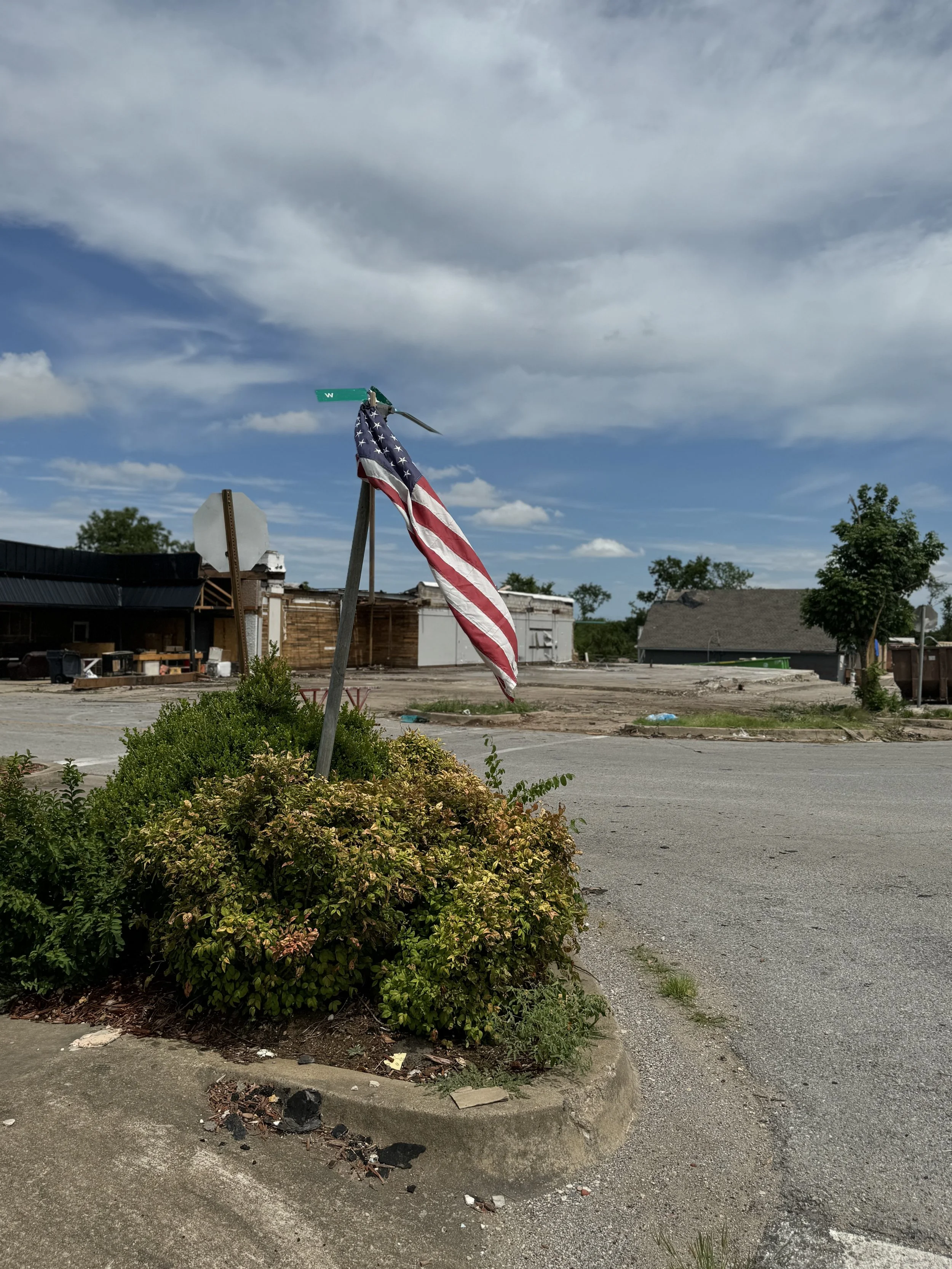
Flooded storefronts, broken windows, empty shelves. Those are the images that make the news. They’re what people respond to first because they feel immediate and visible. But for independent retailers, the real cost of a disaster goes far beyond what’s in front of you. And long after the cleanup crews leave, that’s when the hardest part actually begins.
When a retailer loses inventory, it’s not just the product that disappears. It’s cash flow, momentum, and in many cases, the ability to keep operating at all. Most independent retailers aren’t sitting on excess inventory or large reserves. Their shelves are their business. When those are wiped out, they’re not just restocking, they’re trying to rebuild the system that kept everything moving in the first place. Even if the building is still standing, the business itself may not be.
Time is another cost that gets overlooked. Every day a store is closed is another day without revenue, but the bills don’t pause. Rent is still due. Vendors still need to be paid. Employees are either waiting, leaving, or needing support in the meantime. On top of that, owners are navigating insurance claims, coordinating repairs, and making high-stakes decisions under pressure. What might look like a short closure from the outside can quietly turn into months of instability behind the scenes.
There’s also an emotional side to this that rarely gets talked about. Independent retailers don’t just run businesses, they build them from the ground up. When disaster hits, they’re not just dealing with loss in a financial sense; they’re dealing with something personal. We’ve seen owners question whether they can start over, feel completely overwhelmed by the number of decisions they have to make in a short period, and carry the weight of employees and customers who are depending on them to return. That kind of pressure doesn’t show up in headlines, but it shapes everything that comes next.
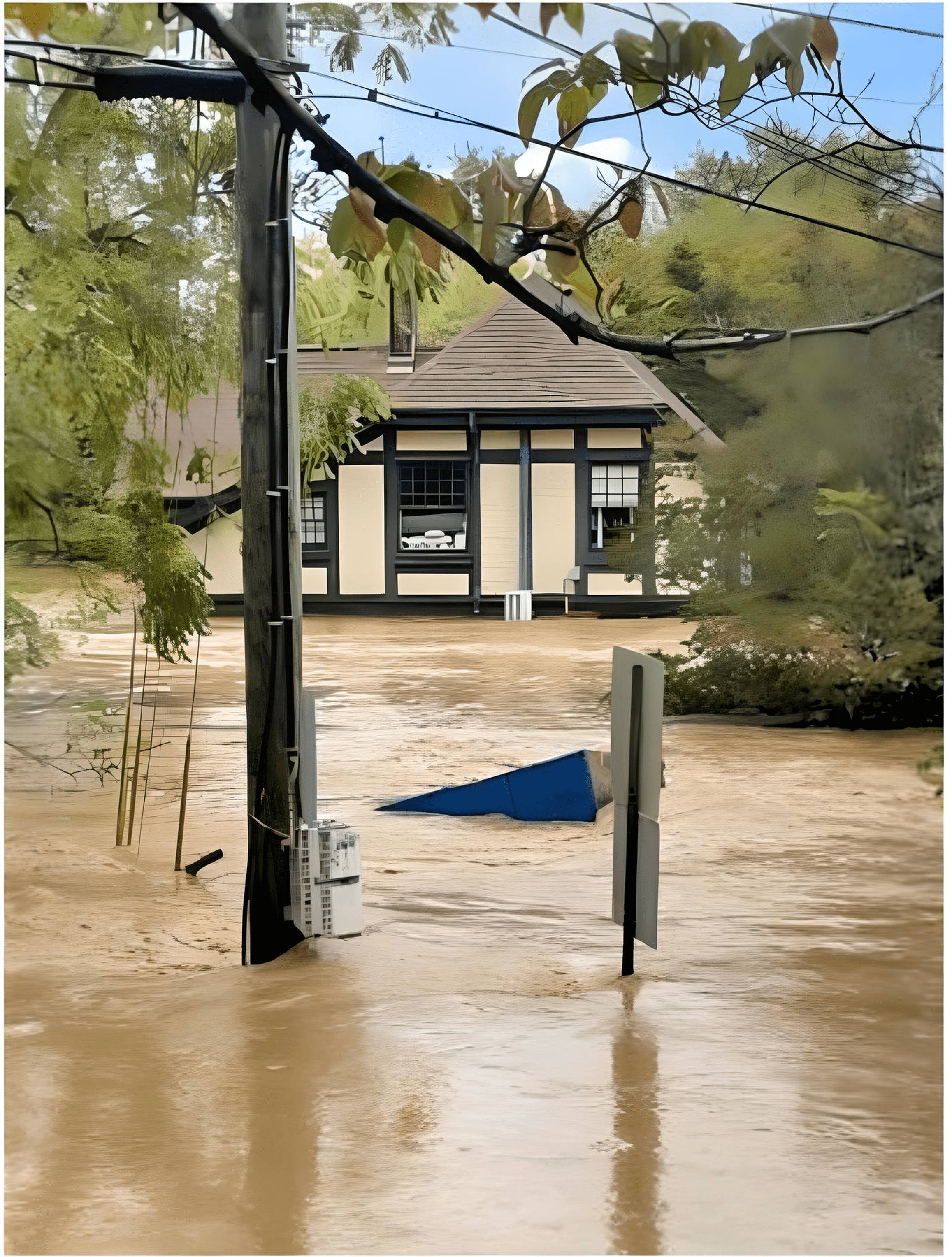
One of the biggest misconceptions is that recovery is simply about making up lost revenue. In reality, independent retail doesn’t work that way. You can’t recreate a missed season or recover foot traffic that never happened. If a key selling period is lost, that revenue is gone, and the impact doesn’t stop there. It carries forward into future buying decisions, inventory levels, and overall stability for months after.
Real recovery is a process, not a moment. It’s restocking shelves without the cash flow to support it, rebuilding merchandising from scratch, reconnecting with customers who may not even know the store has reopened, and finding the energy to keep going when everything feels uncertain. It’s slow, layered, and often much more complicated than people expect.
At Heart on Main Street, this is exactly why our work exists. Recovery isn’t just physical; it’s financial, operational, and emotional. Supporting independent retailers means understanding all of those layers and showing up in a way that helps them move forward, not just reopen their doors. Whether it’s through disaster relief grants, education, or hands-on rebuild projects, the goal is to give retailers a real chance at stability again.
Because when a retailer comes back, it’s not just a business reopening. It’s a community getting a piece of itself back.
And the truth is, that kind of recovery doesn’t happen on its own. It takes support from people who understand that what’s at stake goes far beyond what you can see.
If you believe independent retailers matter, there are a few simple ways to be part of their recovery. You can make a donation to support disaster relief efforts, partner with us to expand our impact, or simply help us share these stories so more people understand what recovery really takes.
Every action, no matter the size, helps a business move one step closer to reopening and staying open.